Vivo debuts satellite service with Starlink for WhatsApp and calls with no signal
Vivo Satélite connects 50 million subscribers to Starlink beyond terrestrial coverage for messaging, maps and in-app calls.
In 30 seconds
- Vivo Satélite launches today in partnership with Starlink for 50 million subscribers.
- The service connects to the satellite automatically outside terrestrial coverage and requires a compatible phone and open sky.
- WhatsApp, SMS, RCS, iMessage and maps work, with WhatsApp calls and voice messages.
- Use is free for 12 months for individuals and for 3 months for businesses on eligible plans.
In partnership with Starlink, Vivo launched Vivo Satélite today for its 50 million subscribers. The new service provides messaging, maps and in-app calls in areas with no terrestrial mobile coverage, operating where Vivo's conventional signal does not reach.
Connection is automatic: when the phone leaves Vivo's terrestrial network, it searches for the Starlink constellation. To use it, customers need a compatible device, an eligible plan and a clear view of the sky to receive the satellite signal.
What you can do in satellite mode
In the initial version, WhatsApp, RCS, SMS, iMessage, Google Messages, Google Maps, Apple Maps and the Vivo App work. RCS, short in English for Rich Communication Services, is the messaging standard that replaces SMS with photos, audio messages and read receipts on Android phones and recent iPhones.
The tool allows sending text and voice messages, as well as making calls via WhatsApp. When connecting via satellite, certain Samsung, Motorola and Apple devices activate the so-called sat mode, a feature that limits functions such as backups and adjusts apps like maps and WhatsApp to use less data.
How much it costs and who can use it
Vivo is offering 12 months free for individuals and three months for business customers. The benefit covers eligible Postpaid, Control and Lite plans, as well as prepaid plans with top-ups over R$ 30.
The solution was not designed for video streaming. Speeds, data allowances and pricing after the free period were not disclosed by the operator. Machine-to-machine communication terminals, known as M2M, will have specific plans.
The technology behind the launch
Vivo Satélite uses a small portion of the company's spectrum at 2.6 GHz and Starlink's first-generation satellite solution. Spectrum is the portion of radio frequencies the operator can use to deliver signal to the phone. Deployment required adjustments to Vivo's network.
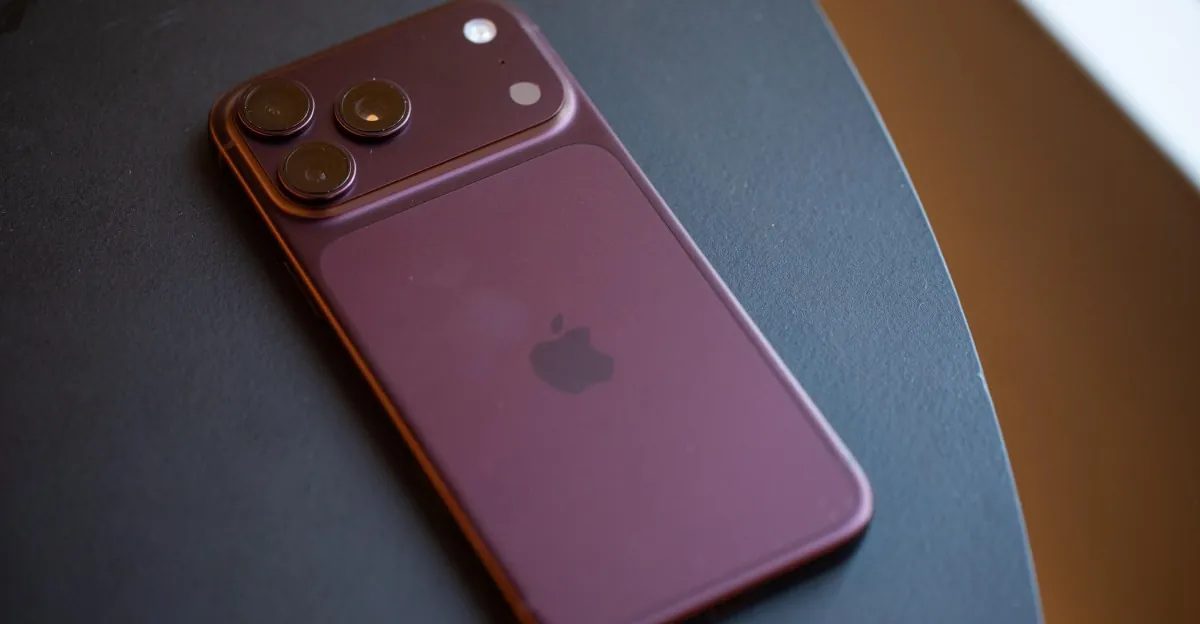
On its support portal, Vivo lists some models able to use the technology. Compatible devices include the iPhone 17, the Samsung Galaxy S26, the Motorola Edge 70 and the Samsung Galaxy A27.
Currently, the operator's terrestrial network serves 98% of Brazilians. With Vivo Satélite, the company's coverage now follows customers anywhere in the country. According to Vivo, the next generation of the satellite network will offer high-speed connections, but no timeline has been disclosed.
Sources
The facts in this story come from these outlets:
- UOL “Vivo se une à Starlink e libera WhatsApp, chamadas e mapas no modo satélite”
Text produced with the help of artificial intelligence from the sources cited and reviewed before publishing. The video presentation is AI-generated.
Add CodeMago News as a preferred source on Google